




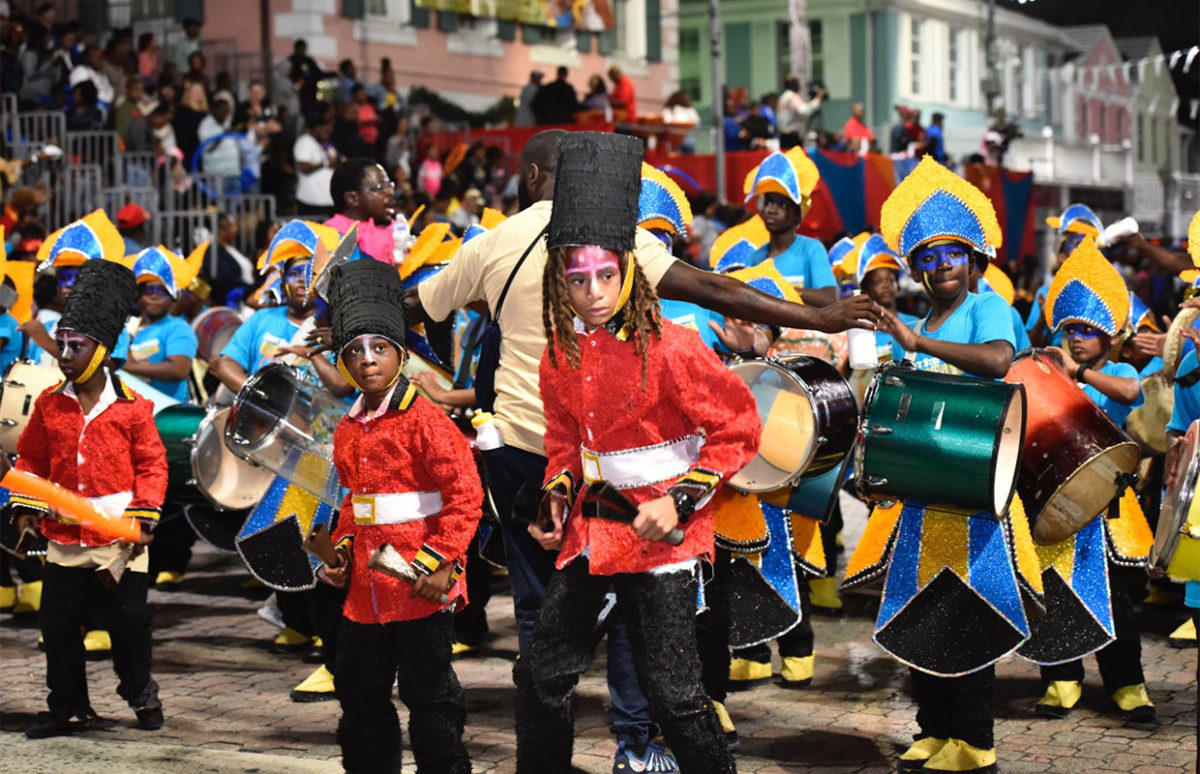
In many places, 26 December and 1 January are days for quiet recovery from the celebrations the day before. But on the West Indian islands of the Bahamas, they are filled with noise and elaborate costumes as Junkanoo is celebrated, an event which is unique to the islands.
Junkanoo is such an intrinsic part of Bahamian culture that the United Nations cultural organisation UNESCO added it to its list of the intangible cultural heritage of humanity in 2023.
The celebration dates back to the slavery era in the West Indies. Legend has it that an enslaved West African tribal leader, possibly called John Canoe, demanded that his people could have celebrations at Christmas time when even on plantations there was some downtime.
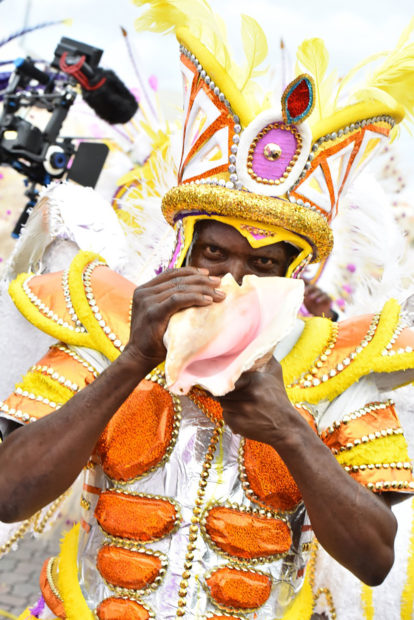
The enslaved people took inspiration from their West African culture to make music and costumes with what they could find around them. They made music by blowing on conch shells and creating rhythm with cowbells and goat-skin drums. In modern times, brass bands have joined in the music, which starts in the early hours of the morning.
Similar to carnival celebrations on other islands or in New Orleans, organised groups of 500-1000 work together over months to create costumes and floats. The main material is cardboard to create a rigid structure, with paper cut into strips to make fringes that add to the movement.
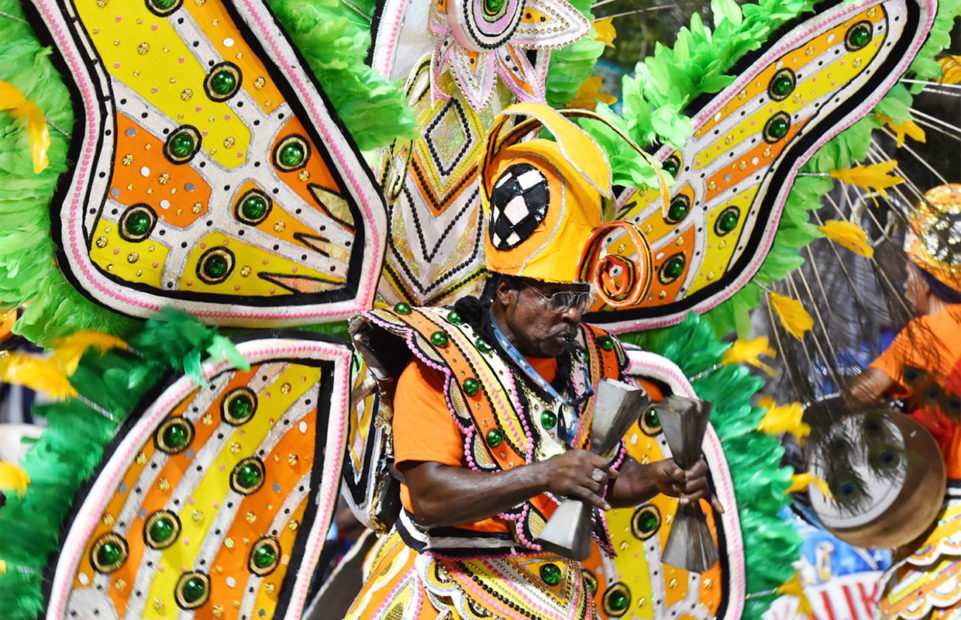
The first minute of this video gives a flavour of the festival and can be used from A1. The following minute is an excellent description of slavery that could be used with lycée students.
Find lots more on the Caribbean in Shine Bright 5e File 1 Caribbean life, in Shine Bright 1e File 7 Caribbean vibes and Shine Bright LLCE cycle terminal File 8 From Isle to isle.
Copyright(s) :
Kemuel Stubbs, 2020
© Antonio Saunders, 2022
Tag(s) : "Boxing Day" "Caribbean" "celebrations" "december" "festive season" "music" "New Year's Day" "parade" "Shine bright 1e" "Shine bright 5e" "Shine bright LLCER" "sustainablility" "the Bahamas" "West Indies" "yuletide"